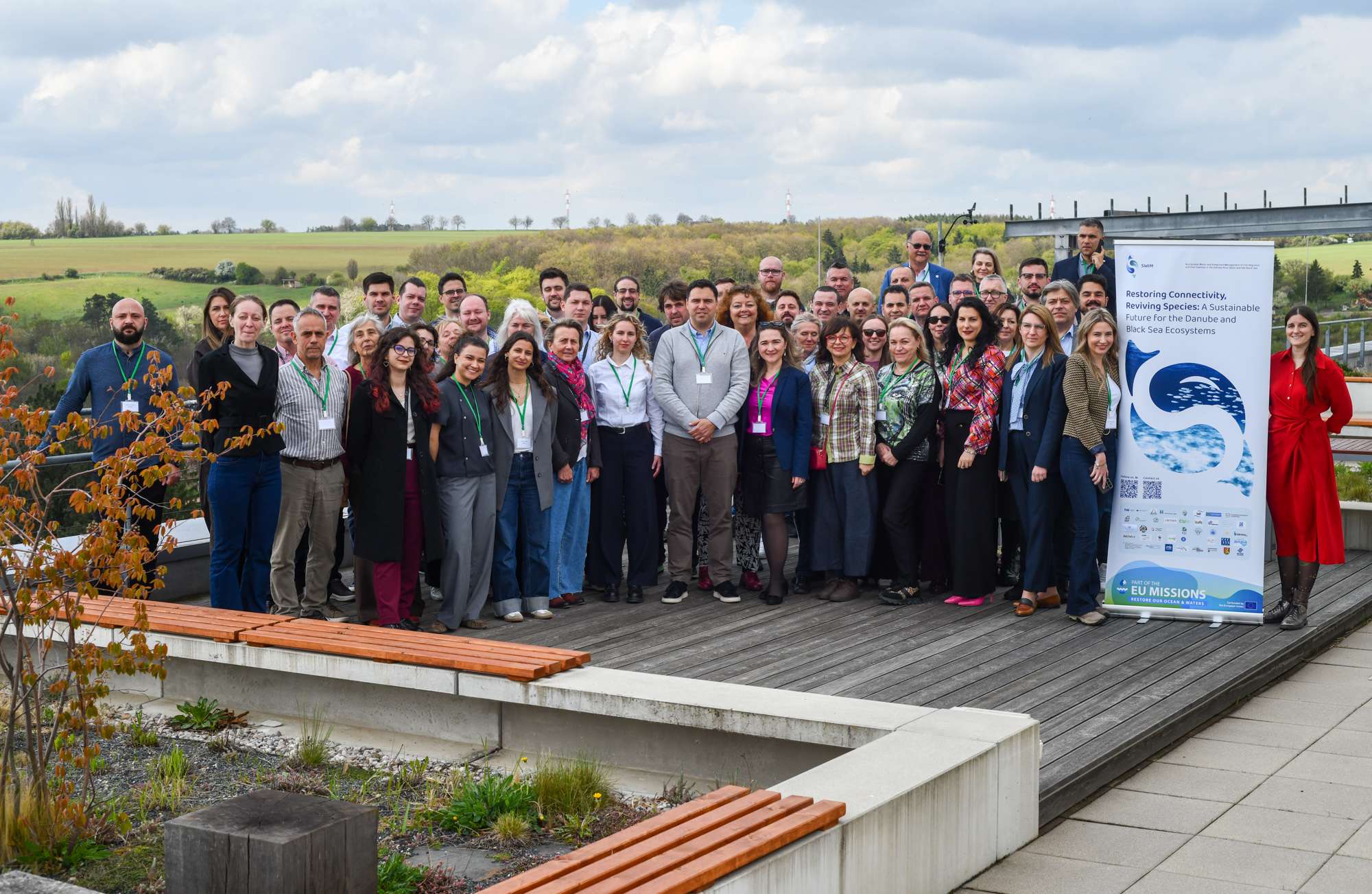
SWIM ended April on a high note, holding its second consortium meeting from 21 to 24 April.This was a week packed with reflection, fieldwork, and shared discovery.
We opened in Prague, at the Faculty of Environmental Sciences, where partners spent a full day catching up on project progress, aligning on next steps, and strengthening the connections that make this collaboration work.
Reflecting on Gender Equality – Beyond the Definitions
One of the week’s most memorable moments was a gender equality workshop led by Prof. Antonija Petričušić from the University of Zagreb, Faculty of Law. Rather than focusing on theory alone, the session invited SWIM partners to reflect on what gender equality looks like in practice – in the way we collaborate, make decisions, design activities, and create impact.
A key message stayed with us: equality and equity are not the same. Treating everyone identically is not always enough when inequalities are structural, hidden, and deeply rooted. At SWIM, gender mainstreaming is not a box to tick, it is a responsibility. It means actively integrating a gender perspective into our decisions, activities, communication, and long-term impact. This workshop reminded us that meaningful change begins with awareness, but grows through action, commitment, and shared responsibility.
Into the Field: The Thaya River Pilot Site
In the days that followed, the consortium travelled to one of our key pilot sites: the Thaya River Basin. A vital tributary of the Danube, the Thaya spans over 12,500 km² and plays a significant role in supporting local wildlife, communities, and economies. A major power plant in the area drives energy production for the region, but at a considerable environmental cost. Fish migration is disrupted, and the river’s delicate ecosystem is under pressure.
This is where our partners MET and CZU are doing crucial work. They are actively mapping and monitoring the power plant’s impact on water flow, temperature, and fish migration patterns. Climate change compounds the challenge further: rising temperatures, increased evaporation, and human-made barriers make it increasingly difficult for fish to move freely, threatening biodiversity across the basin.
By gathering this data, we aim to better understand how fish are using existing passages, identify opportunities for improvement, and ultimately help restore ecological connectivity along this vital waterway. The insights gathered here will inform future decisions on how to balance energy needs with environmental responsibility.
A Fitting Finale: Lednice and Its Treasures
We wrapped up the week with a visit to the beautiful town of Lednice, taking in its remarkable castle and the rich cultural heritage of the surrounding landscape, a wonderful way to close a productive and inspiring few days together.