When the Danube runs low: a basin-wide warning
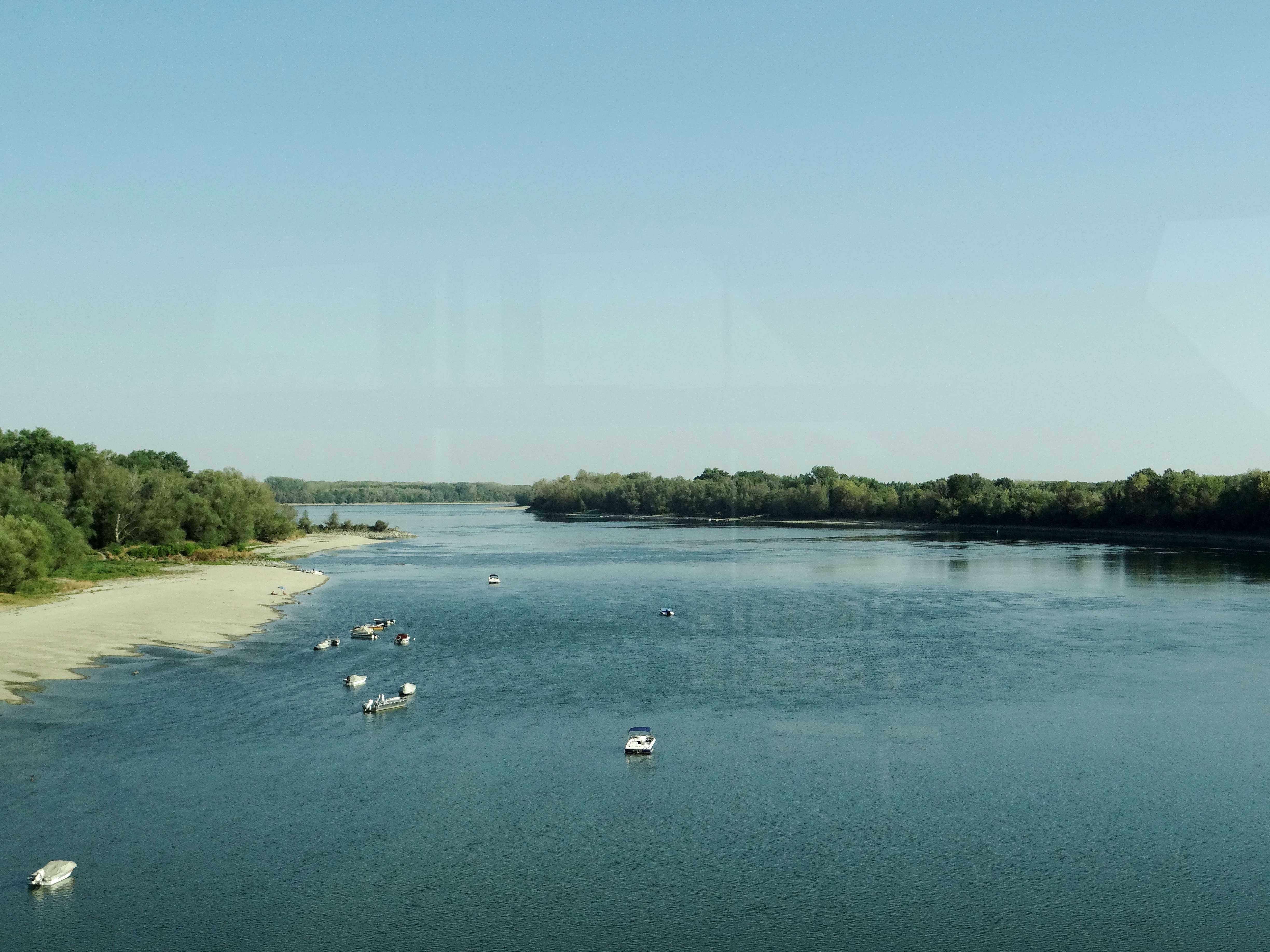
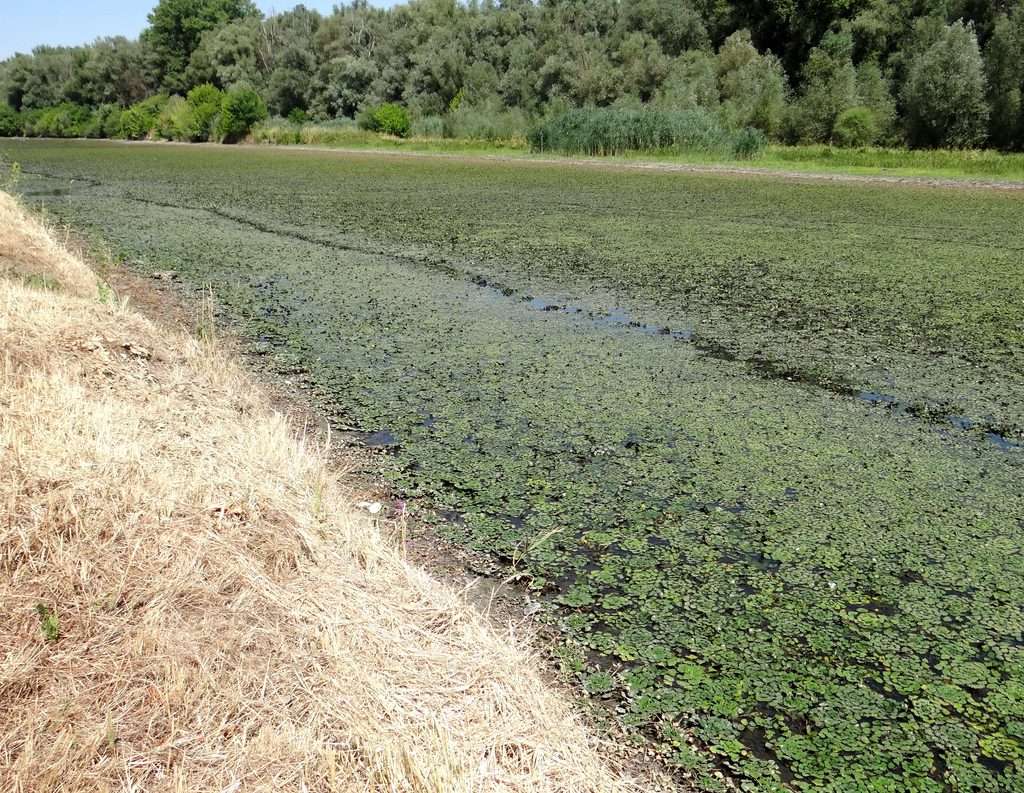
This summer, the Danube experienced exceptionally low water levels along much of its course. In a press release issued on 13 August 2026, our SWIM partner, the International Association for Danube Research (IAD), presented an assessment showing that 96% of the assessed Danube River sections had low flows in July 2026, compared with July conditions in 1981-2010. Some 80% were approaching record lows. The effects reach from the upper tributaries all the way to the Lower Danube and the Danube Delta.
In a changing climate, episodes like this are a warning that water in the Danube Basin can no longer be taken for granted. IAD’s message is that low water is not a problem that can be solved at a single gauge or in a single country. How much water reaches the river depends on what happens across the whole basin: how much water soils, wetlands and floodplains retain, how rivers and groundwater interact, and how water is used.
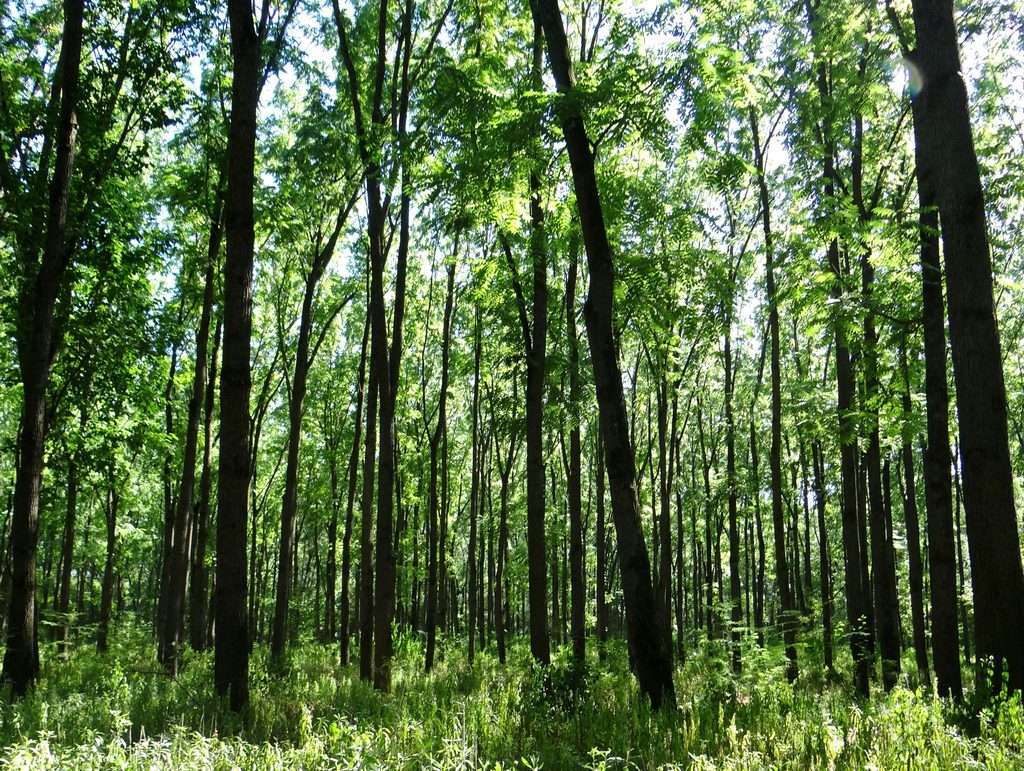
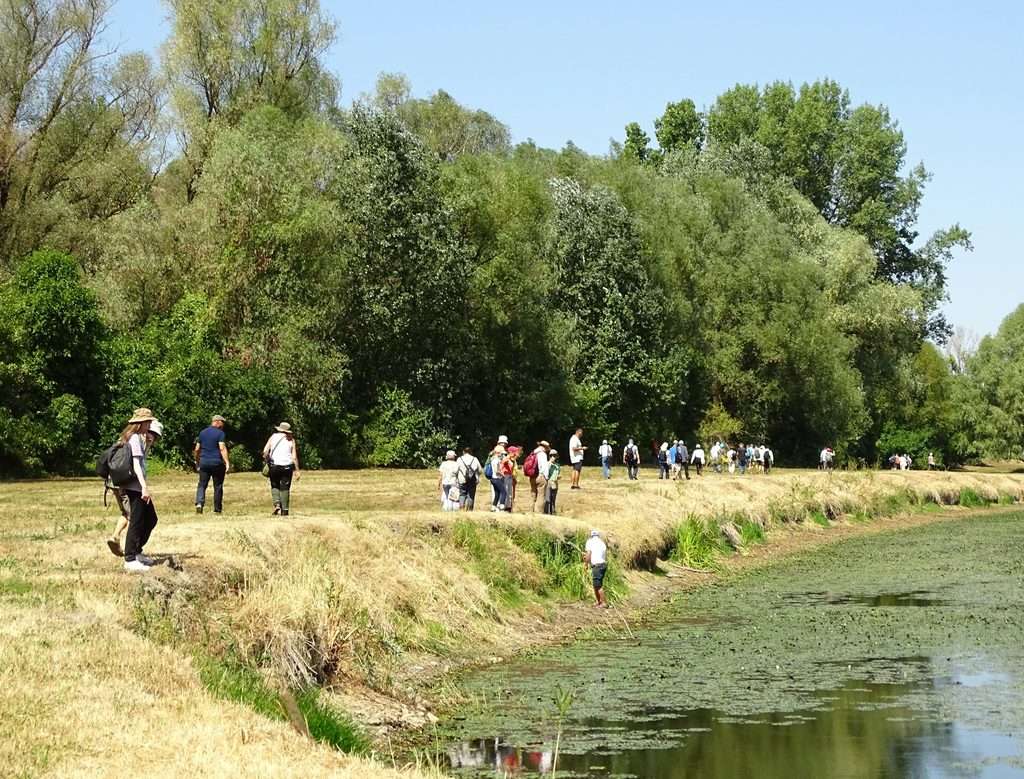
Drawing on more than 50 scientific contributions presented at the 46th IAD Conference in Baja, Hungary, the IAD proposes ten interconnected measures. In short, they call for:
- Retaining water in the landscape when it is abundant, especially during wetter months.
- Restoring rivers and floodplains: reconnecting rivers with wetlands, re-meandering where appropriate, improving sediment management and avoiding unnecessary summer dredging.
- Reducing pressures on the river, from pollution and heat to inefficient water use such as sprinkler-type irrigation.
- Better monitoring, forecasting and cross-border cooperation, so that countries can deal with water scarcity before it becomes a source of conflict.
“Global warming is a global challenge and thus requires local action in many places – and so, in a shared river basin like the Danube, local action means acting together across borders. European projects make that cooperation possible, bringing scientists and institutions from different countries around the same table.” Dr. Katrin Teubner, General Secretary of IAD
Why this matters for SWIM
Low flows hit migratory fish heavily; when side channels and floodplain waters dry out, fish lose access to spawning, feeding and refuge habitats, and many become trapped. Acknowledging the biological and ecological needs of migratory fish species, SWIM aims to enhance habitat restoration and conservation, addressing in particular river continuity interruptions, allowing the free movement of migratory fish between key habitats such as spawning, nursery, feeding or wintering grounds, to fulfil their life cycle.
Within SWIM, IAD leads Work Package 5, Enhancing Habitat Protection for Migratory Fish Populations. WP5 reviews existing policy requirements for migratory fish habitats, integrates them with baseline assessments, and develops recommendations for strictly protected habitats (sanctuaries) in the Danube River Basin and the Northwestern Black Sea.
Protecting the Danube’s migratory fish and keeping the river resilient both depend on the same thing: a connected basin, managed together across borders.
More information
The full press release and fact sheet, including the list of measures and the underlying scientific contributions, are available below in English, Hungarian,German, and Romanian.
English Press Release | English Fact Sheet
Hungarian Press Release | Hungarian Fact Sheet