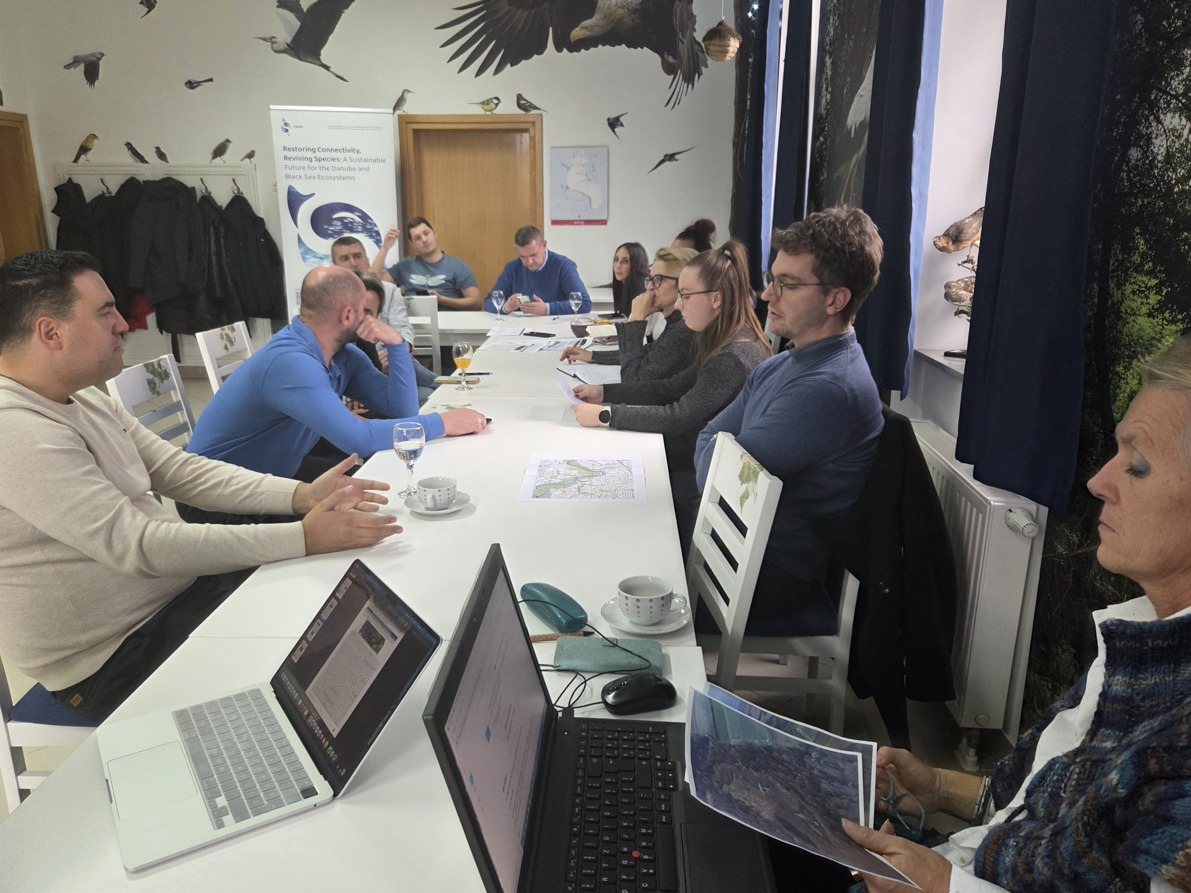
Turning plans into action is a key milestone for any large-scale project. In early December, SWIM partners met at two of the project’s pilot sites in Croatia to jointly define timelines, workflows, and priorities for the actions ahead.
The visit brought together project partners to align on the practical aspects of implementation, with discussions covering a range of planned initiatives, including water level management and monitoring activities. These on-site exchanges were instrumental in ensuring a shared understanding of local conditions and in coordinating technical approaches across the consortium.
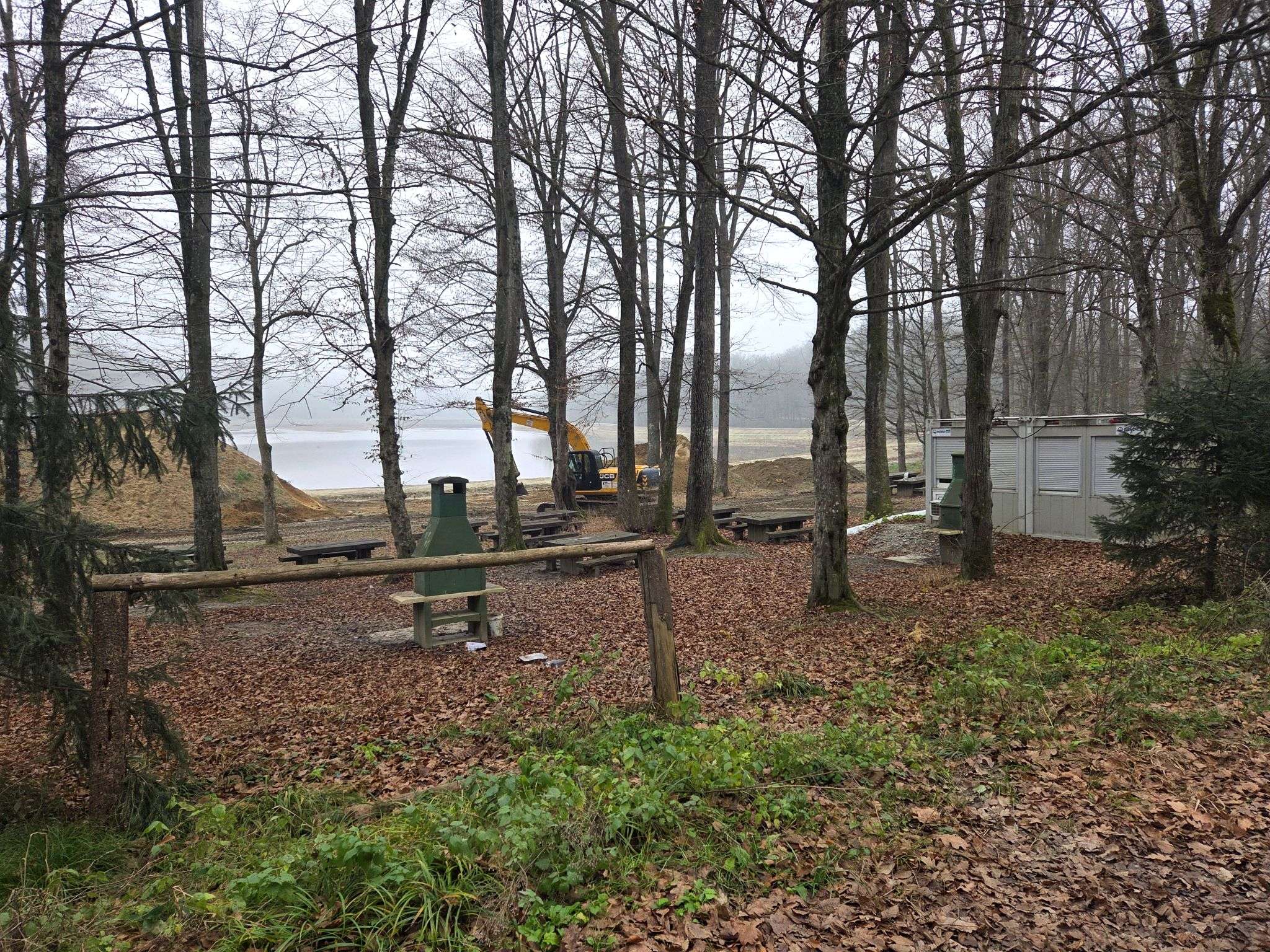
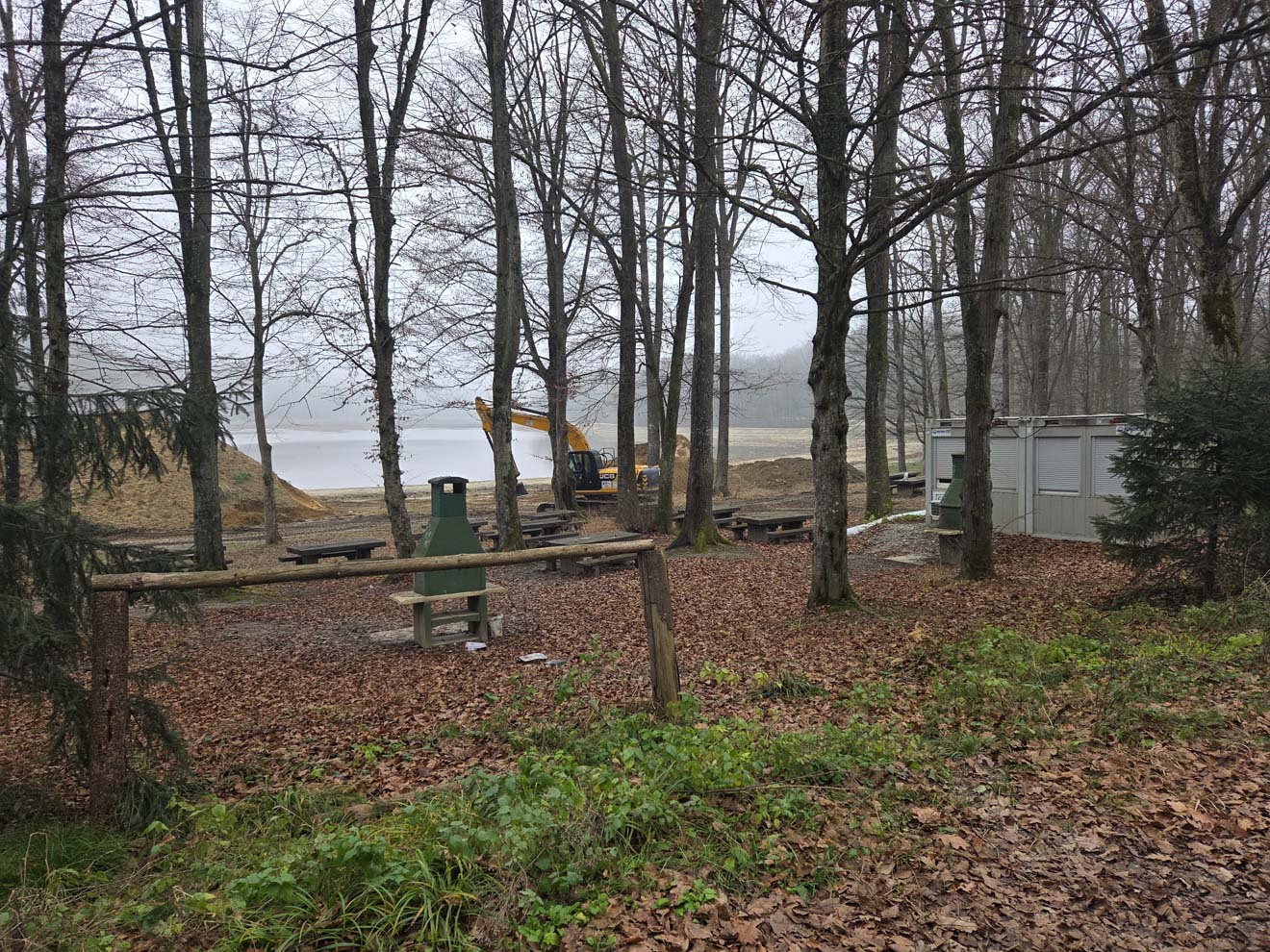
River Drava side-arm Noskovačka bara
This pilot site focuses on the restoration of a former Drava River meander within a Natura 2000 wetland. By improving water flow, habitat structure, and spawning conditions, the activity aims to enhance water quality, support migratory fish species, and strengthen local biodiversity, while serving as a model for future wetland restoration efforts.
Jagodno, Virovitica fishponds
This activity supports the conservation of migratory fish by identifying key spawning habitats, producing juveniles with native genetic profiles in controlled conditions, and gradually adapting them to natural environments. The Virovitica fishponds play a crucial role in preparing these juveniles for their eventual release into the Noskovačka bara and migration toward the Drava River.
A highlight of the visit was the field trip to the Virovitica ponds, where bred sterlets are currently undergoing adaptation to natural habitat conditions. These preparatory steps are essential before their planned release into the Noskovačka bara area, contributing to the project’s broader efforts to support migratory fish populations and improve habitat connectivity.
As SWIM progresses, activities at pilot sites such as these will play a central role in demonstrating practical solutions and generating knowledge that can be shared and replicated across the Danube River Basin.