In April, SWIM met with its pilot site leaders to share updates on the project’s ongoing work, technical developments, and the critical efforts being undertaken to improve water management and ecological health across the region.
A core pillar of the SWIM project spans 13 activities across 7 pilot sites along the Danube River Basin and the Northwestern Black Sea coast, all focused on protecting and restoring vital habitats for migratory fish species. This meeting focused on the work currently underway in Croatia and Bosnia and Herzegovina. Here is a closer look at the progress being made:
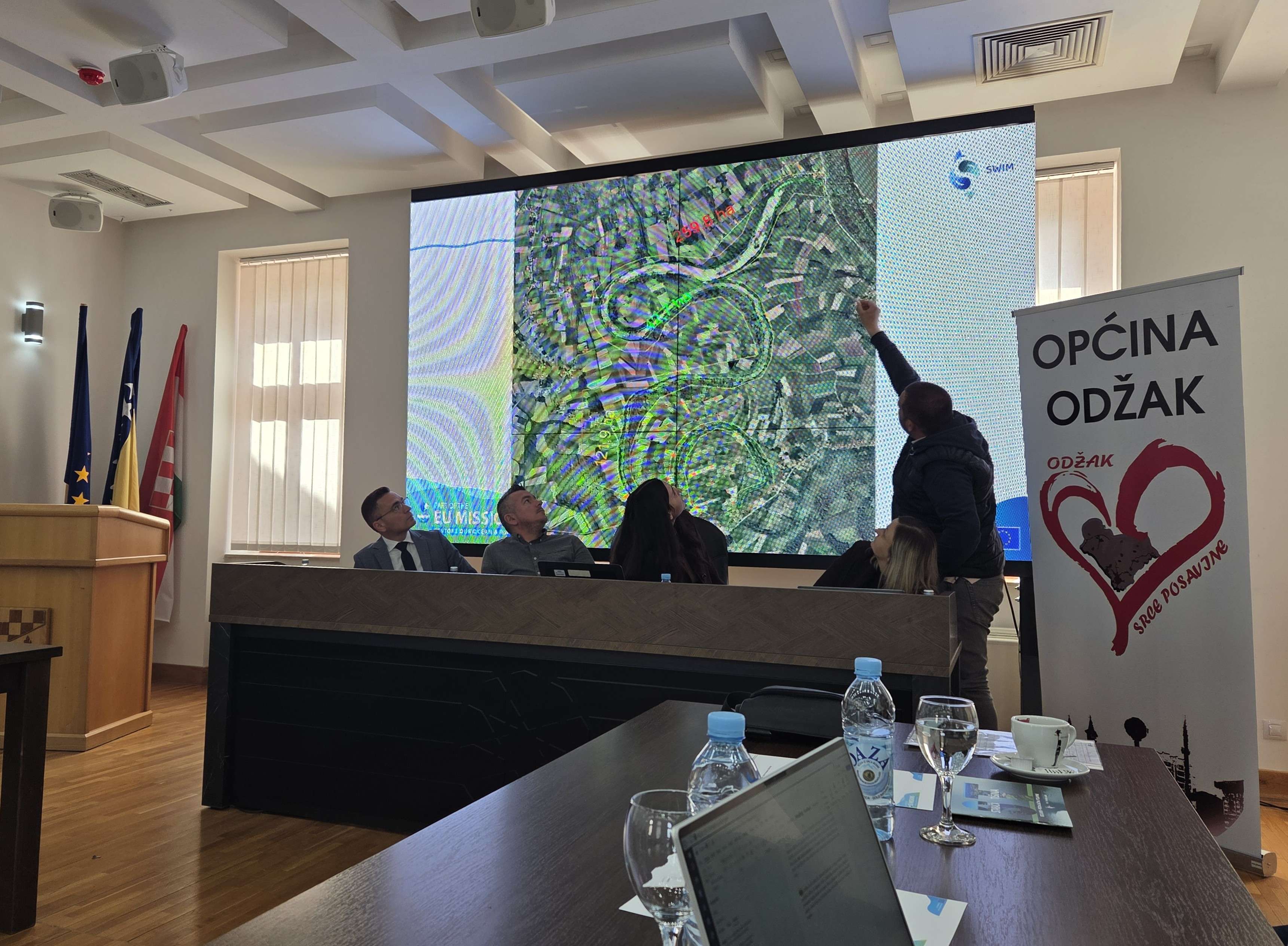
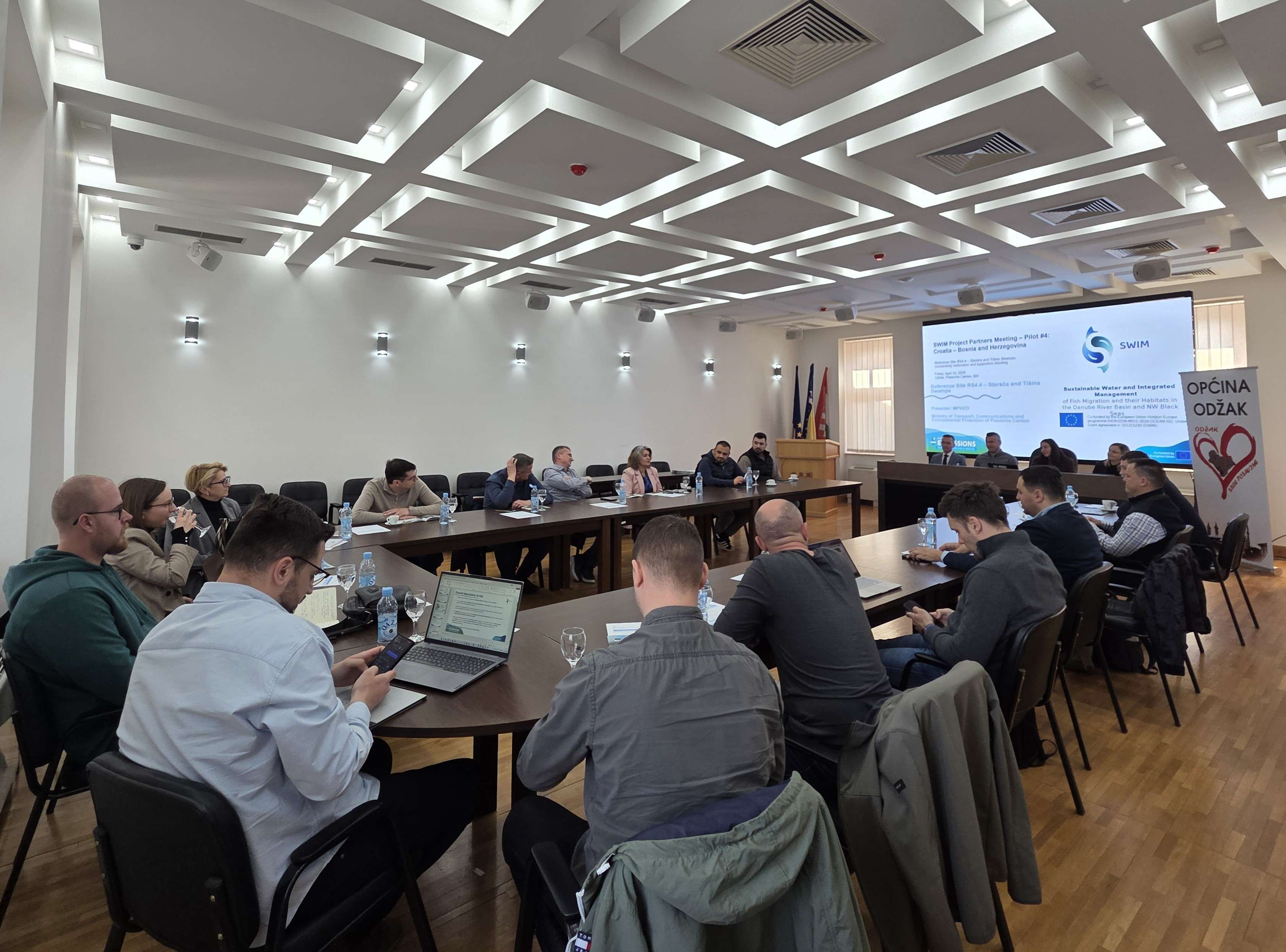
Starača and Tišina Swamps, Bosnia and Herzegovina
Ongoing restoration works at Starača are addressing water leakage issues caused by a malfunctioning gate. The system is now functioning well, with minimum water levels successfully secured. Restoration efforts continue across two additional locations: one involves dredging a channel, while the other focuses on removing Amorpha fruticosa, an invasive plant species. Water level monitoring is also being maintained through close coordination with local authorities.
Noskovacka bara, Croatia
Work at this pilot site centres on the Drava River, where preparations are underway for the technical design of hydrological interventions. Modelling work aims to restore water inflow to the old riverbed with minimal disruption, ensuring the conditions necessary for the return of migratory fish.
Jagodno, Virovitica fishponds, Croatia
This site is expanding its hatchery operations to better support local fish populations. Work is progressing on equipping and enclosing the laboratory facility, alongside the installation of additional tanks to increase hatchery capacity.
Vukovar-Srijem County, Croatia
Pilot leaders have been actively gathering field data and engaging with local stakeholders to advance research on the Bosut River, laying the groundwork for future interventions.
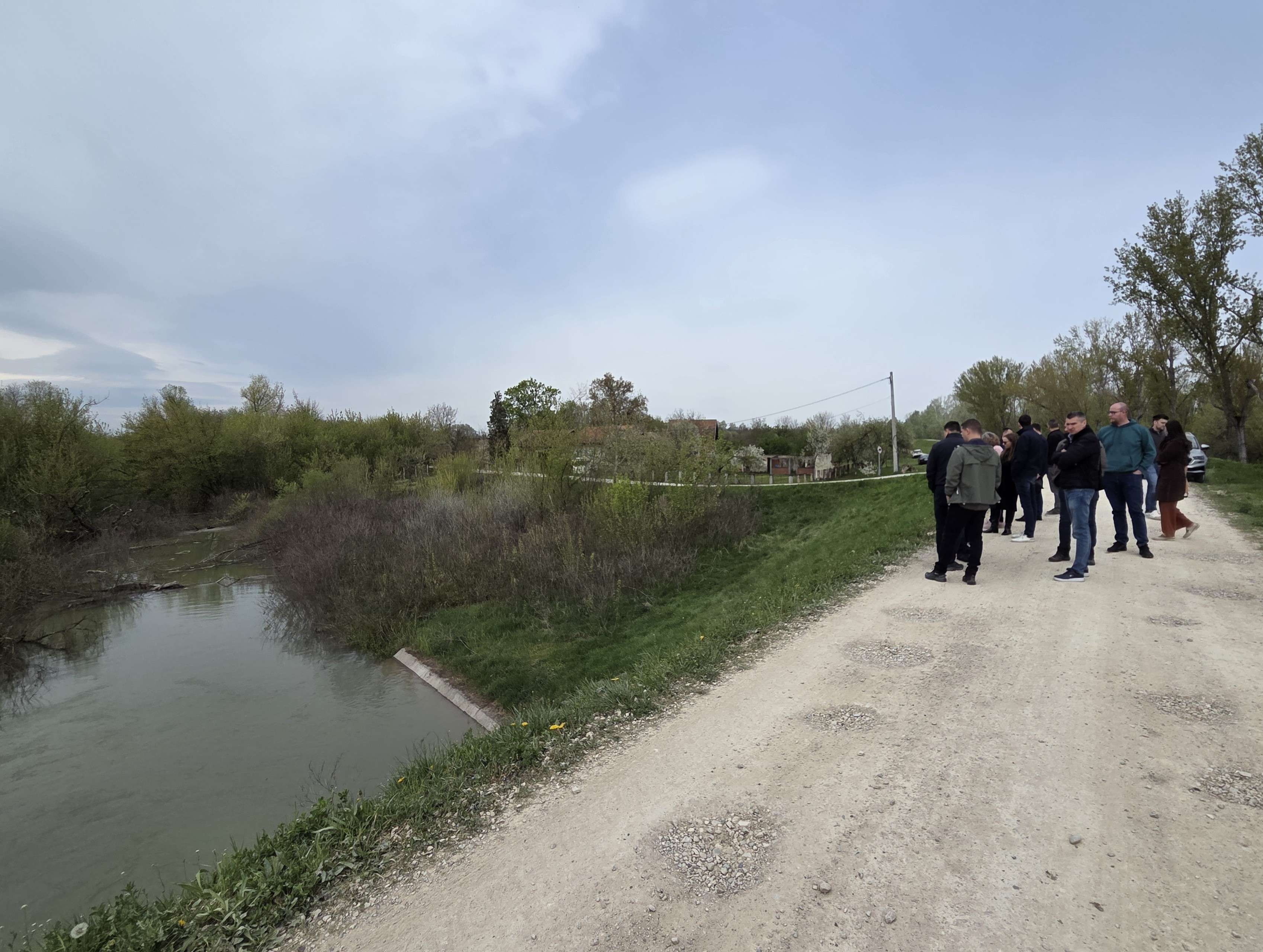
On-site Insights at ZK Starača
Partners also took the opportunity to conduct a field visit to the ZK Starača site, gaining first-hand insight into the ongoing restoration work — including gate sealing improvements and planned dredging activities. The visit offered a valuable perspective on the real-world challenges being navigated and the tangible progress already achieved.
This meeting reaffirmed the SWIM project’s commitment to collaborative, science-driven water management – and the steady momentum being built across every pilot site.